
By Kate Cohen
In consultation with Dr. Ronald Ryan, MD CPE
May 13, 2026
Florida’s warm weather, beautiful bodies of water, and lush green landscape make The Sunshine State the perfect place to live and vacation.
Unfortunately, humans aren’t the only ones who thrive in Central Florida’s subtropical climate.
Biting insects are also drawn to the humid, rainy conditions – and the people who spend their time here.

And these bugs aren’t just annoying; they can carry health risks and persistent discomfort.
Let’s look at the common culprits and risks of Florida’s biting insects and how you can prevent becoming their next target.
Key Takeaways
- Why Does Florida Have So Many Bugs?
- Common Biting Insects in Florida
- Bug Bites and Health Risks
- Protecting Yourself from Bug Bites in Florida
- Enjoy Florida Without the Itch
Why Does Florida Have So Many Bugs?
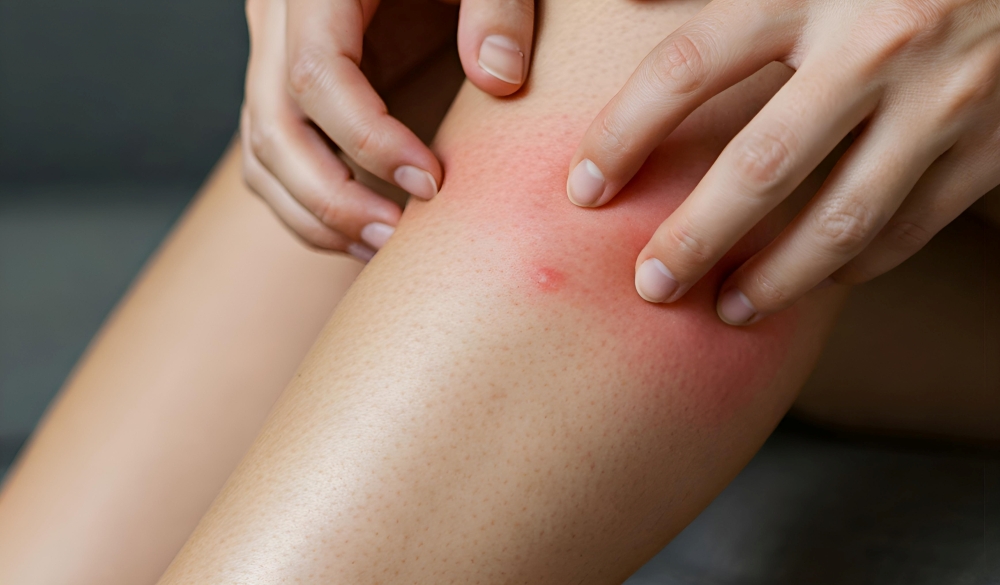
Florida’s year-round heat and humidity create an ideal breeding ground for many insects.
Certain pests like mosquitos, termites, and ants thrive in moisture-rich environments, indoors and outdoors.
And, with no big winter cold snaps to drastically reduce the biting bug population, their numbers continue to grow.
In the summertime, frequent thunderstorms throughout Central Florida often create standing water, which becomes the perfect breeding ground for insects like mosquitos.
While swampy areas and ponds may be more obvious environments for biting bugs, residential backyards can be insect hotspots, too.
Since Florida is home to at least 12,500 species of insects, the best ways to avoid bites and stings are preventative (because those pesky bugs aren’t going anywhere).
Common Biting Insects in Florida
Mosquitoes
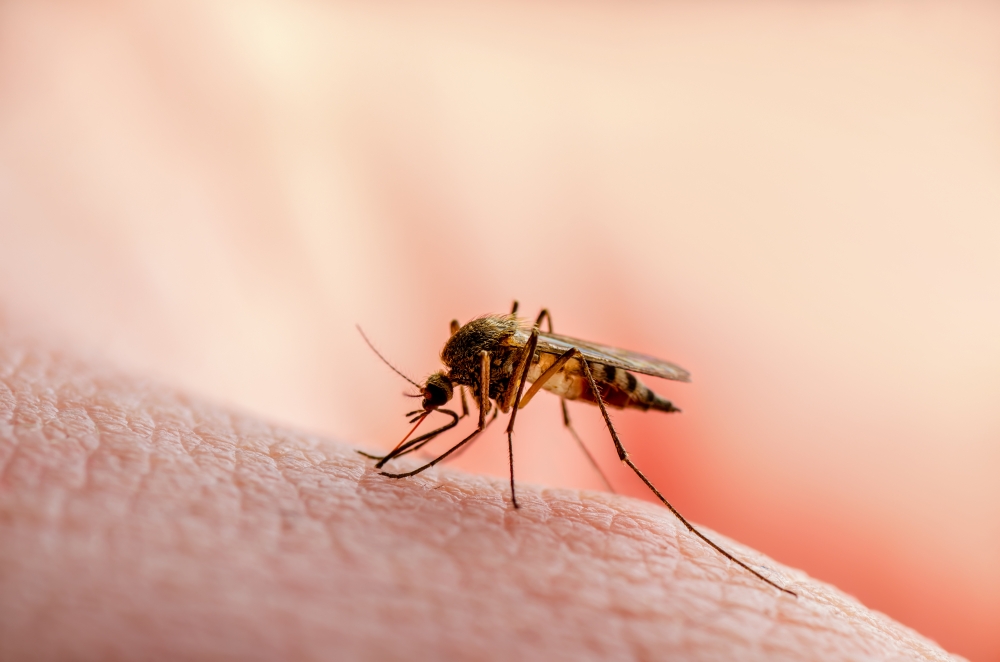
Mosquitos are by far the most common biting insects in the state of Florida.
Female mosquitos use human blood as a nutritional reproductive supplement, drawing blood by piercing the skin with a needle-like mouthpart called a proboscis.
Once you’ve been bitten by a mosquito, your body attempts to defend itself from the mosquito’s saliva. Your immune system reacts by releasing histamine, creating an itchy welt.
Mosquitos are also one of the most common carriers of dangerous diseases like West Nile virus, dengue, and Zika.
Fire Ants
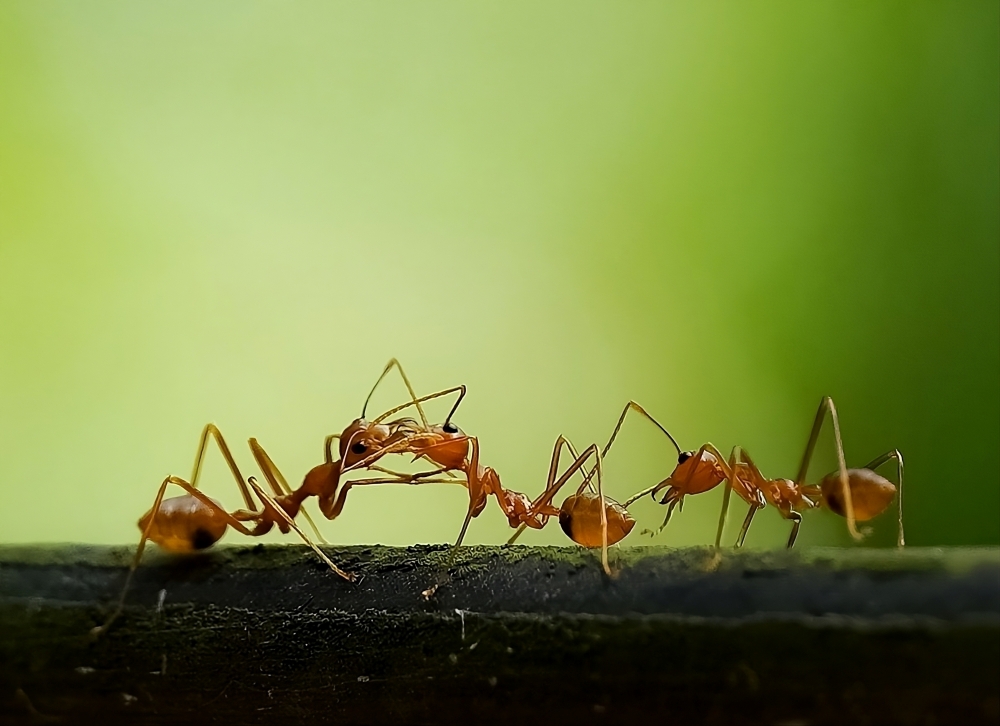
If you’ve ever angered a fire ant, you know the pain.
While fire ants do bite, they only bite to anchor themselves to your skin. Then, they release a series of intense and painful venom-filled stings.
The stings can blister and cause burning sensations, hence the name “fire ant.”
Fire ants are often found in grassy areas and open fields. They sting to deter predators and defend their colony, sometimes from unsuspecting humans who happen to step in the wrong place at the wrong time.
No‑See‑Ums
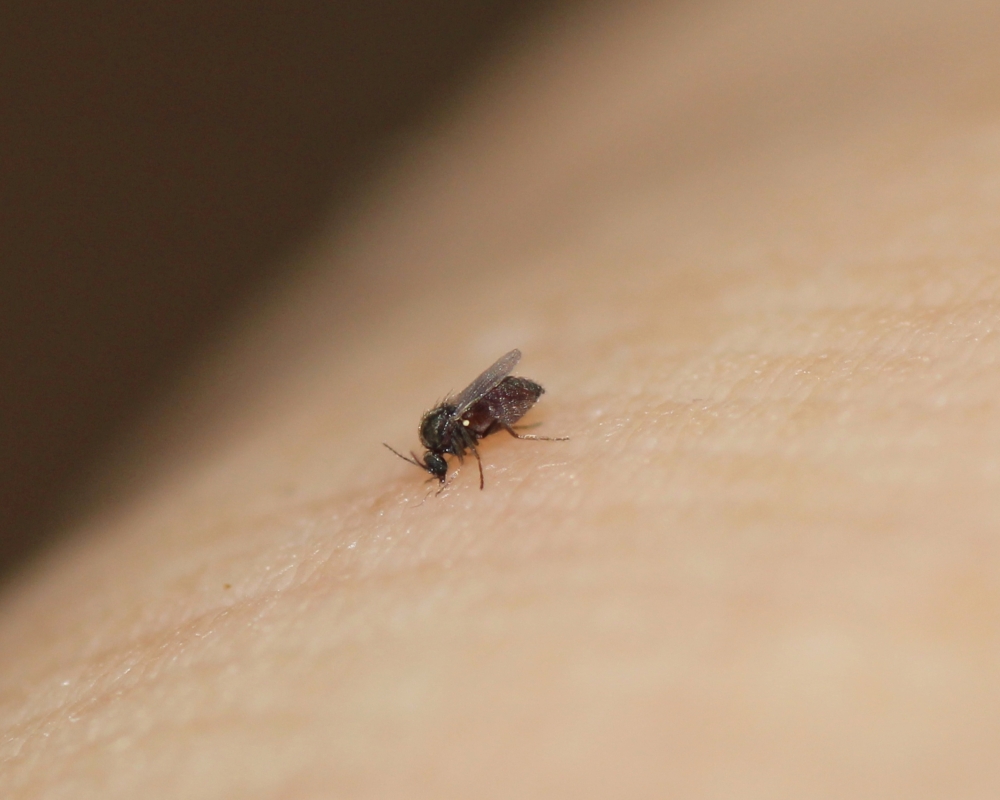
No-see-ums are tiny biting midges (extremely small flies) whose bites create painful, itchy welts.
They got their nickname from the fact that they’re so little, you often can’t see them until they’re already biting.
Also known as sand flies or sand gnats, no-see-ums are often found near water and are particularly active at dawn and dusk.
Bug Bites and Health Risks
While bug bites and stings can be painful, itchy, and annoying, there are more serious risks that can be transmitted from insects.
In Florida, mosquito-borne illnesses are the ones that raise the most concern.
Mosquitos can transmit diseases like West Nile virus which can cause encephalitis or meningitis.
Localized Florida outbreaks of dengue fever have also been traced back to mosquitos.
Zika can cause mild symptoms like fever, rash, and joint pain, but it’s highly dangerous for pregnant women because of risks of birth defects like microcephaly.
Taking preventative measures can help keep mosquitos and the diseases they potentially carry at bay.
Protecting Yourself from Bug Bites in Florida

There are several ways that you can protect yourself and your loved ones from the aggravation, discomfort, and risk of bug bites.
Get Rid of Standing Water
Check around your house for standing water.
Drain containers like garbage cans and flowerpots, keep up with pool maintenance, and get rid of any unused items sitting around and collecting puddles.
Use EPA-Registered Insect Repellents
The U.S. Environmental Protection Agency (EPA) rates and reviews bug sprays for both safety and effectiveness.
These bug sprays are rated safe for adults, kids, and pregnant women when used correctly, and are proven to repel insects efficiently.
Ingredients like lemon, eucalyptus, DEET, and picaridin are proven to keep bugs like mosquitos away.
Wear Protective Clothing
One of the best ways to keep bugs at bay is to keep your skin covered.
Wearing long sleeves, pants, socks, and closed-toed shoes deters bugs from being drawn to vulnerable exposed skin.
It’s not always an ideal option during hot and humid Florida summers, but if you can stand a little extra coverage, at least during dawn and dusk, try to cover up.
Enjoy Florida Without the Itch

Florida is a beautiful state with a rich ecosystem where people, animals, and insects can cohabitate peacefully.
With the right prevention strategies, you can enjoy the great outdoors of The Sunshine State comfortably while protecting yourself from discomfort and potential disease.
If you ever have a bug bite accompanied by severe swelling, hives, flu-like symptoms, or increasing redness, schedule an appointment with your healthcare provider at Rosen Medical Center right away.
