
By Kate Cohen
In Consultation with Dr. Ronald Ryan, MD CPE
Updated May 5, 2026
Summer is around the corner, and so are Florida’s days of intense UV exposure.
Spending too much time in the sun without protection can lead to dangerous side effects, including skin cancer.
In fact, skin cancer is the most common type of cancer in the United States with over 5 million diagnoses each year.
Luckily, it’s easier than ever to stay safe in the sun.

Rosen Medical Center takes skin damage prevention seriously.
Our partnership with OnSpot Dermatology brings a full-service dermatology practice directly to you at your place of work.
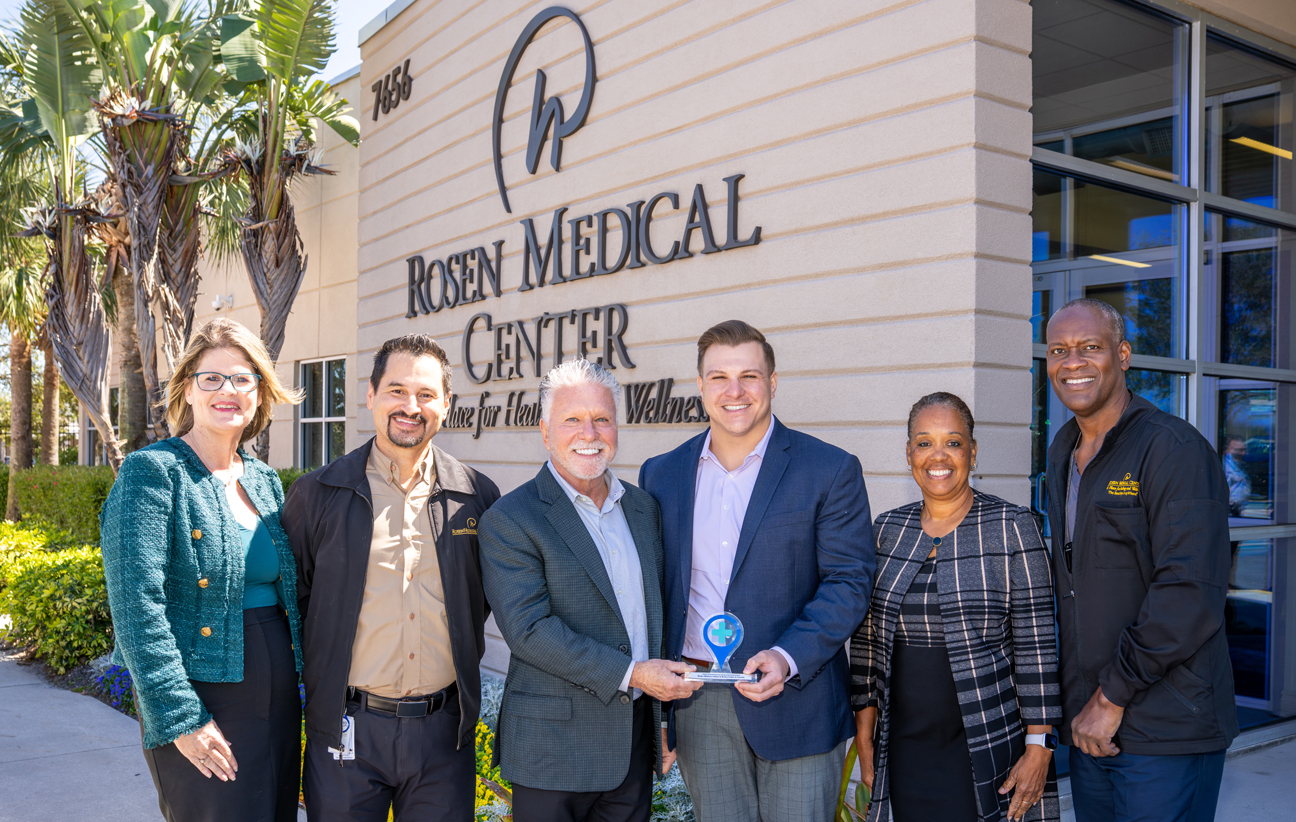
In 2025, Rosen Hotels & Resorts and the Rosen Medical Center were honored with the Life Saving Achievement Award from OnSpot Dermatology.
This award was given to Rosen for offering Associates skin cancer screenings that found multiple cases of skin cancer.
In addition to regular screenings, there are other things you can do to prevent skin cancer.
Here are the best ways to prevent skin cancer, according to the American Cancer Society.
Key Takeaways
- 1. Use Sunscreen
- 2. Wear Sunglasses
- 3. Wear a Hat
- 4. Wear Clothing for Coverage
- 5. Stay in the Shade
- 6. Avoid Tanning
- 7. Protect Your Children
- 8. Get Regular Skin Checks
- Schedule Your Next Skin Cancer Screening Today
1. Use Sunscreen

If you are going to spend time in the sun, it’s critical to use sunscreen.
Sunscreen lotions, creams, and sprays all help to protect parts of your body that aren’t covered by clothing.
A sunscreen’s SPF, or Sun Protection Factor, tells you how well it protects against UV rays. Most people should choose an SPF of 30 or higher, which blocks 97% of UV rays.
Sunscreen should be reapplied at least every two hours, more often if you are swimming or sweating.
Make sure to apply it to your face, ears, neck, arms, hairline, and the tops of your feet.
For more information, check out the American Cancer Society’s guidelines for how to use sunscreen.
2. Wear Sunglasses

The skin around your eyes is delicate and needs to be protected.
Your eyes can also be damaged by exposure to too much UV light. The cornea and conjunctiva (inside of your eyelids) can also get sunburned, just like your skin.
Wear sunglasses to keep your eyes safe.
Look for sunglasses with labels that say “UV absorption up to 400” or “Meets ANSI UV Requirements” for the best protection. These labels mean they block over 99% of UV rays.
Not all sunglasses provide UV protection, so be sure to find a pair that does.
Don’t just save your sunglasses for a sunny day, either; UV light is present even on a cloudy day and can reflect off surfaces like sand, water, and concrete.
Be sure to pick up a pair or two for your kids, as well. The younger you start wearing sunglasses regularly, the more you’ll minimize UV damage to the eyes and surrounding tissues.
3. Wear a Hat

Protect your scalp from sunburn by wearing a hat while out in the sun.
A hat with a wide brim is great for protecting sensitive areas like the back of your neck, face, ears, and scalp.
Shade caps, like baseball caps with fabric draping down the back and sides, are also a good option for days in the sun.
Straw hats, while stylish, are often not tightly woven enough to truly keep UV rays away from your skin.
Instead, look for a hat with at least a 2- to 3-inch brim all around that is made from closely woven material.
4. Wear Clothing for Coverage

Clothing can help protect your skin from UV rays.
Long-sleeved shirts and long pants or skirts are generally the best options for protection.
You can even buy clothing that is designed to block UV rays. Look for a label that lists the UV protection factor (UPF) for the best protection from the sun.
Quick-drying garments like rash guards are designed to offer coverage from the sun while still being appropriate for swimming and keeping cool.
In general, dark colors, tightly woven fabric, and quick-drying fabric are the best types of clothing to wear when in the sun.
5. Stay in the Shade

You don’t need to be in direct sun to enjoy a sunny day.
Instead, try to find a shady spot where you can stay cool and avoid the sun’s damaging rays.
Umbrellas, trees, and canopies are great options to stay out of direct sunlight. It’s also often cooler in the shade, providing a more comfortable environment.
However, it’s still recommended to wear sunscreen, even when in the shade.
6. Avoid Tanning Beds and Sunlamps

For some people, a tanned complexion is a beauty choice.
However, tanning beds and tanning lamps give off intense UV rays that result in long-term damage.
Tanning, especially before the age of 30, has been shown to increase the risk of melanoma, a dangerous kind of skin cancer.
Avoiding tanning altogether (indoors and outdoors) is a healthy choice that can help protect your skin from damage.
If you’re still yearning for a golden glow, consider spray tanning as a UV-free alternative.
7. Protect Your Children
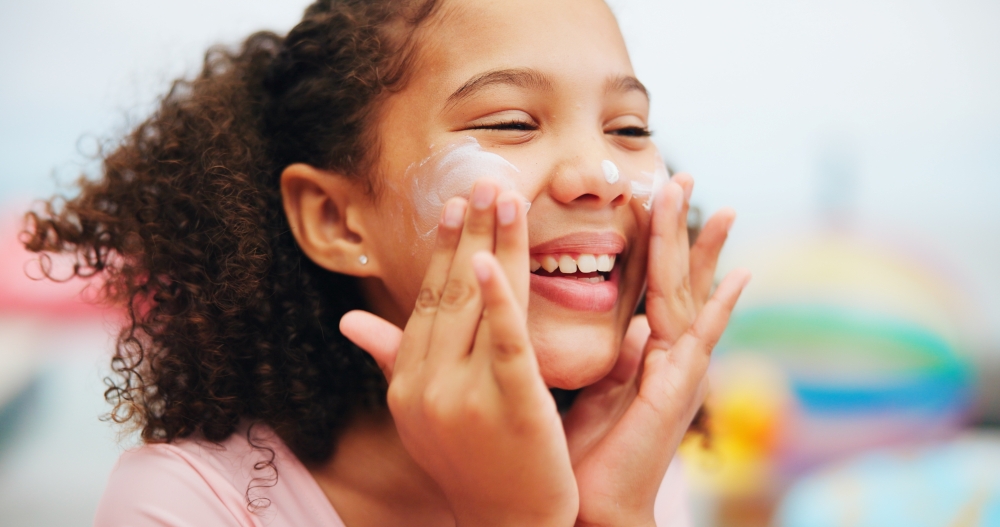
Kids spend a lot of time playing outdoors. They also have more sensitive skin than adults and get sunburned more easily.
While it’s their job to play, it’s your job to keep them safe from the sun.
Make sure you are dressing them in protective clothing, using and reapplying plenty of sunscreen, and keeping them in the shade when possible.
Babies under the age of six months should be kept out of direct sunlight, as sunscreen is often not recommended for infants.
8. Get Regular Skin Checks
Exposure to the sun is unavoidable, especially in Florida.
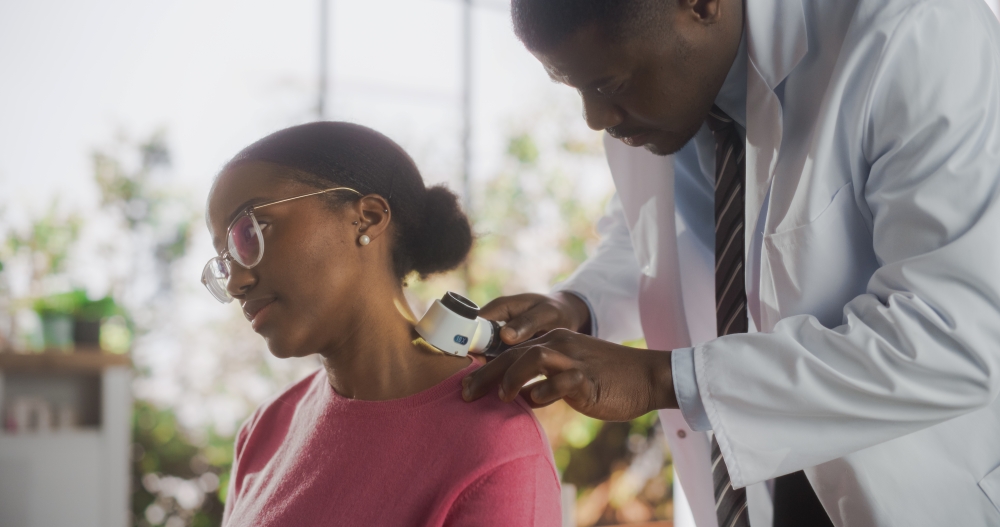
Skin cancer screenings are quick, easy, and could potentially save your life.
During your screening, a doctor or nurse will look over your skin, paying close attention to moles, birthmarks, discoloration, and any other signs of concern.
The goal of skin cancer screening is to find any cancer early so it can be more easily treated.
Schedule your Next Skin Cancer Screening Today
No matter your skin color, taking care of your skin is very important.
Following these tips can help you prevent skin cancer and keep you safe from the sun’s harmful rays.
OnSpot Dermatology frequently visits Rosen Medical Center, offering routine skin cancer screenings for Rosen associates.
Contact OnSpot for an appointment today.
