
By Kate Cohen
In consultation with Dr. Ronald Ryan, MD CPE
June 1, 2026
Hurricane season begins on June 1, and in Florida, it’s critical to be prepared to weather any storm.
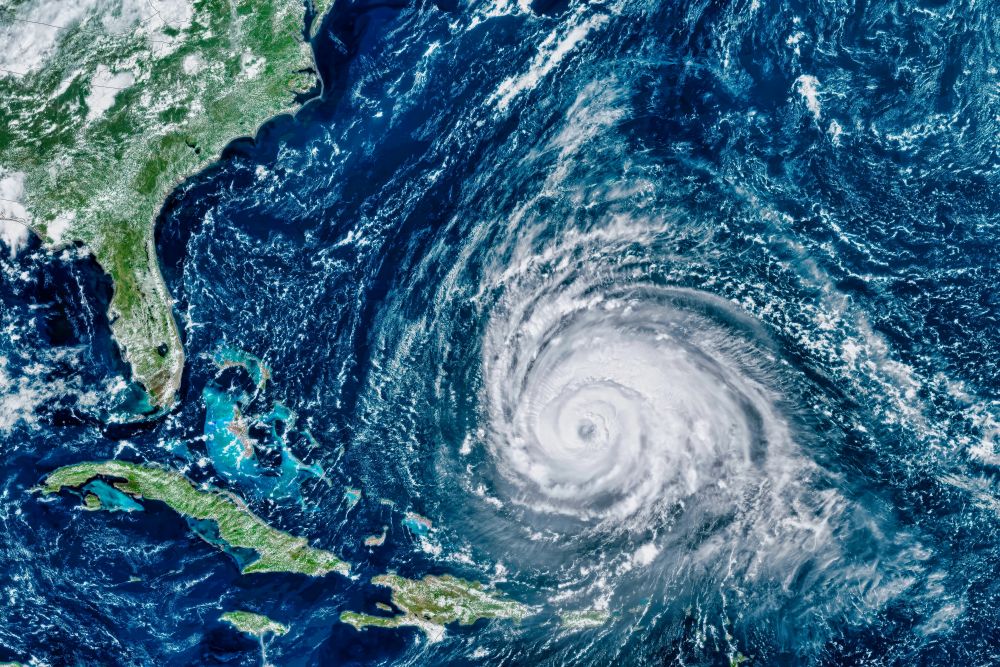
While hurricane emergencies aren’t common in Central Florida, it’s always a good idea to have an updated and fully stocked emergency kit ready in case it’s needed.
Food, water, and basic supplies are important to have on hand in case of power outages and evacuations, but being prepared with medical supplies is just as necessary.
Here’s a look at how you can medically prepare your hurricane emergency kit.
Key Takeaways
- 1. Build a Family Medical Go-Bag
- 2. Child and Infant Needs
- 3. Special Considerations for Seniors
- 4. Don’t Forget Pets
- 5. Backup Power Needs
- 6. Know Your Local Medical Resources
- 7. Establish a Communication Plan
- 8. Refresh Your Kit Every Year
- Preparedness is Peace of Mind
1. Build a Family Medical Go‑Bag
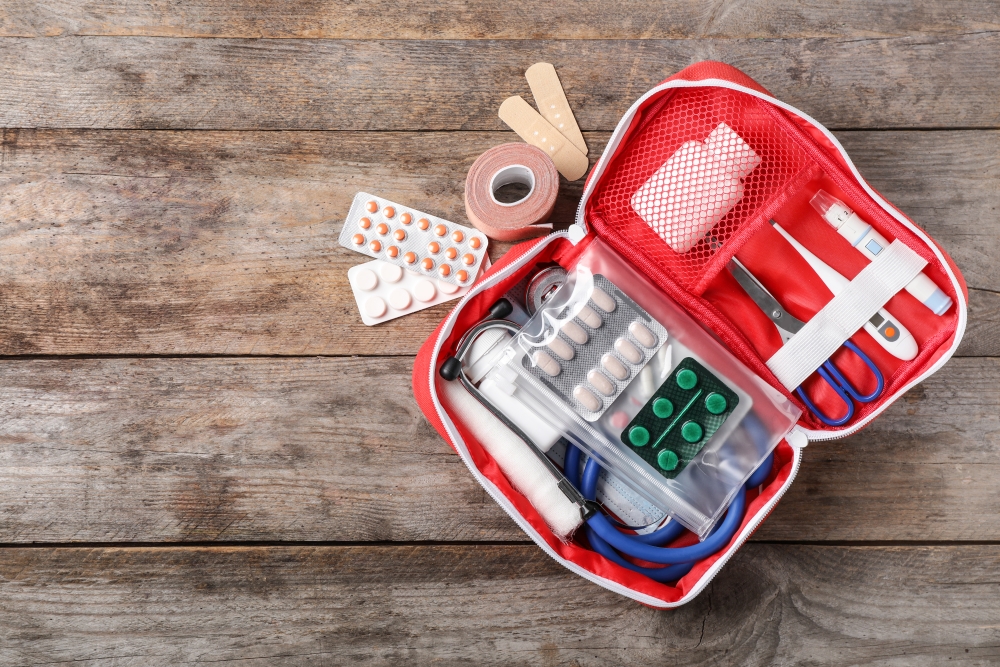
Having first aid and medical supplies on hand is essential for emergency preparedness.
The first thing you’ll need to pack is any routine medication for everyone in your family.
Be sure to include a one-to-two-week supply and copies of the prescriptions in case you need them refilled at a different location.
Additionally, if anyone in your family uses devices like inhalers, glucose meters, nebulizers, or a CPAP, be sure to include those as well as any supporting elements (chargers, batteries, etc.).
If you have medications that need to be refrigerated, be sure you have a medical travel cooler on hand.
Every good emergency kit should be well stocked with first-aid essentials like bandages, wound care, antiseptics, tweezers, and over the counter medicines like Tylenol or Advil.
Also bring copies of personal health documents like insurance cards, emergency contacts, and proof of any diagnoses or lists of known allergies.
Be sure to keep all these items in a waterproof bag or container to keep them protected and safe to use.
2. Child and Infant Needs
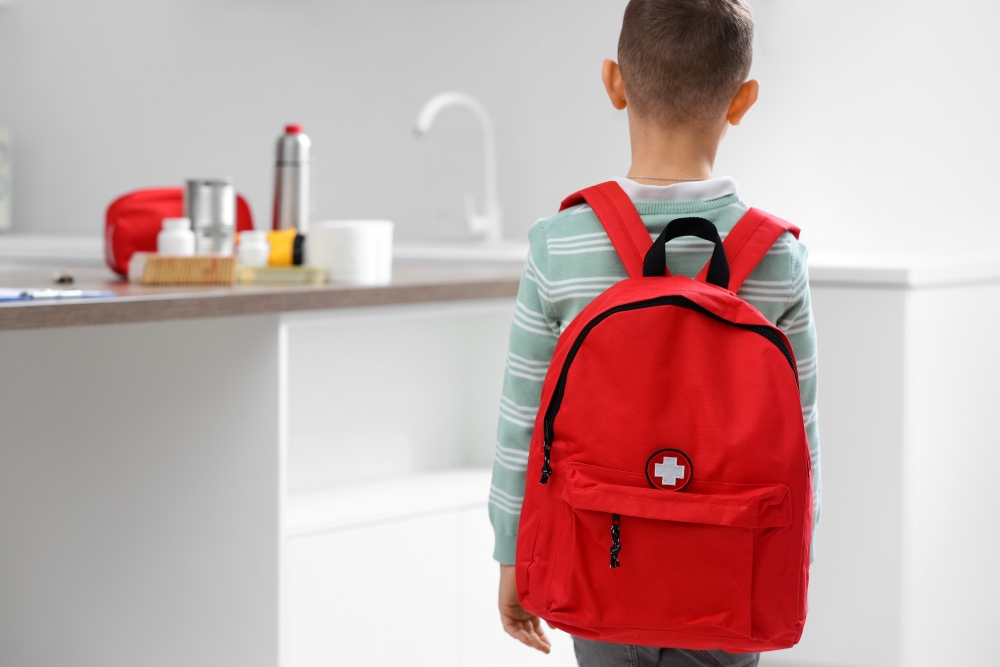
If you’re doing emergency prep with children in mind, there are certain items you’ll want to include in your kit.
First and foremost, be sure to pack plenty of infant supplies if traveling with babies. This includes formula, diapers, bottles, wipes, and rash cream.
You’ll also want to make sure you’ve got pediatric medications on hand like children’s Tylenol, as well as dosing charts to ensure you’re giving the proper amount as needed.
Additionally, it’s a good idea to pack comfort items like a familiar blanket, book, or stuffed animal to help keep little ones calm in an emergency.
3. Special Considerations for Seniors
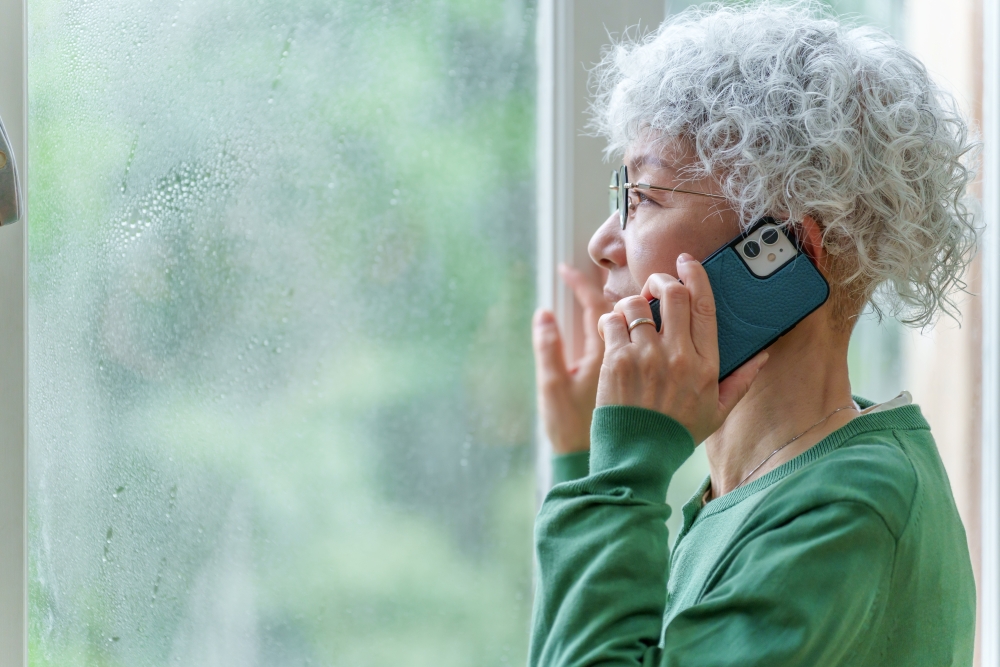
Seniors may also need additional items on hand when it comes to emergency preparedness.
In your kit, be sure to pack anything your senior might need for chronic condition management.
Additionally, remember to include mobility aids and some spare parts like extra cane tips or wheelchair batteries for anyone who needs assistance with movement.
4. Don’t Forget Pets
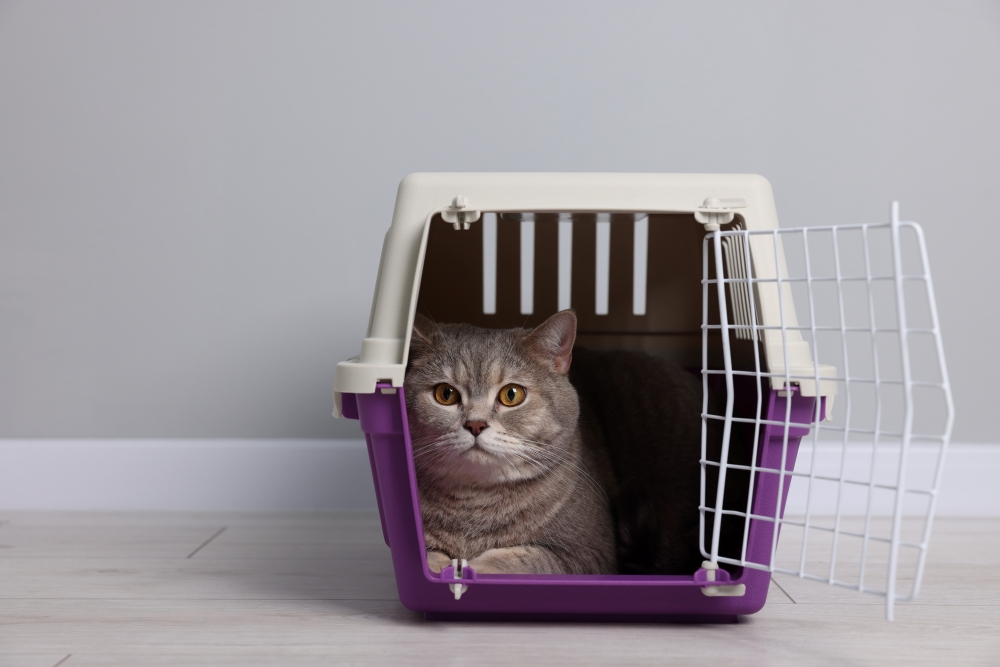
Remember to account for your furry friends in case of an emergency, too.
Your kit should include pet medical records, including vaccination proof and any microchip info in case you are separated.
Medications and calming aids can make a big difference for animals in emergencies, too.
Pack food, water, and comfort items to keep your pets fed, hydrated, and to help them feel safe.
A secure carrier is a good idea, too, should you need to transport them at any point.
5. Backup Power Needs
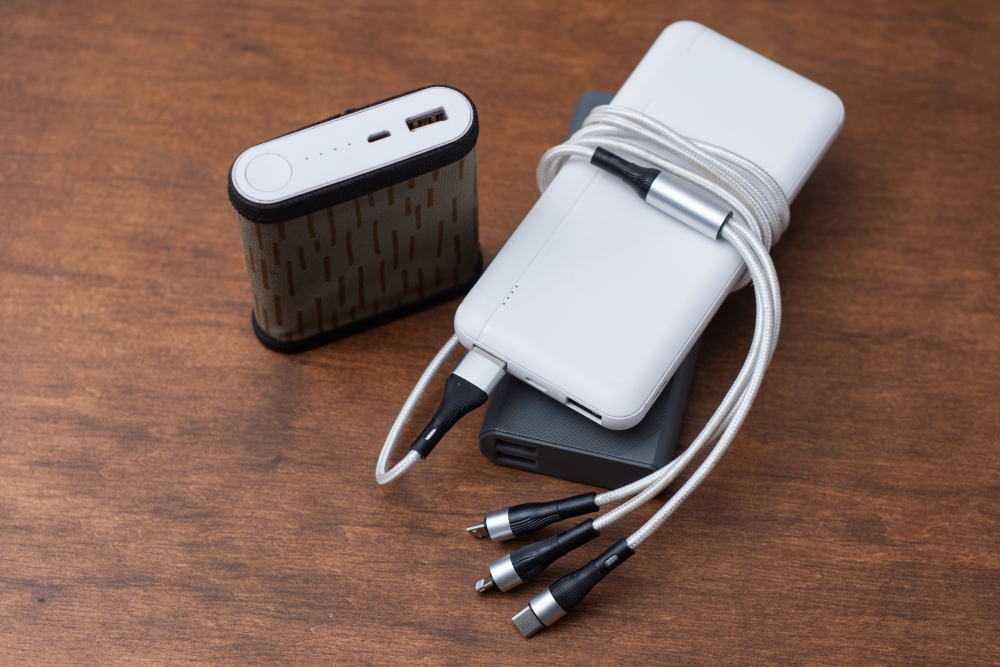
Staying connected is critical in an emergency situation.
When big storms cause power outages, you may find yourself with a dwindling battery and no way to keep it charged.
Stock your kit with power banks and make sure they’re fully charged as the storm approaches.
Residential portable generators are also popular options for hurricane prep, although it is critical to use them properly and safely.
6. Know Your Local Medical Resources

Even when things feel chaotic in an emergency, there’s always someone within reach to help.
Prior to the storm’s arrival, be sure to note the addresses of local shelters, particularly those with specialty medical support, if needed.
Additionally, research mobile pharmacies and emergency refill laws ahead of time so you aren’t scrambling for information last-minute.
Check to see if your insurance offers telehealth options, in case in-person care isn’t possible when you need it.
7. Establish a Communication Plan

Once you have your physical emergency kit prepared, it’s time to make sure everyone feels confident in your plan of action.
Assign roles to household members so everyone knows who grabs what and who assists whom when it’s time to act.
Create printed and digital copies of medication schedules and any medical alerts that may need to be communicated in case you are separated.
It’s also important to make sure everyone knows the proper emergency contacts (both local and out-of-state) to stay connected and informed.
8. Refresh Your Kit Every Year
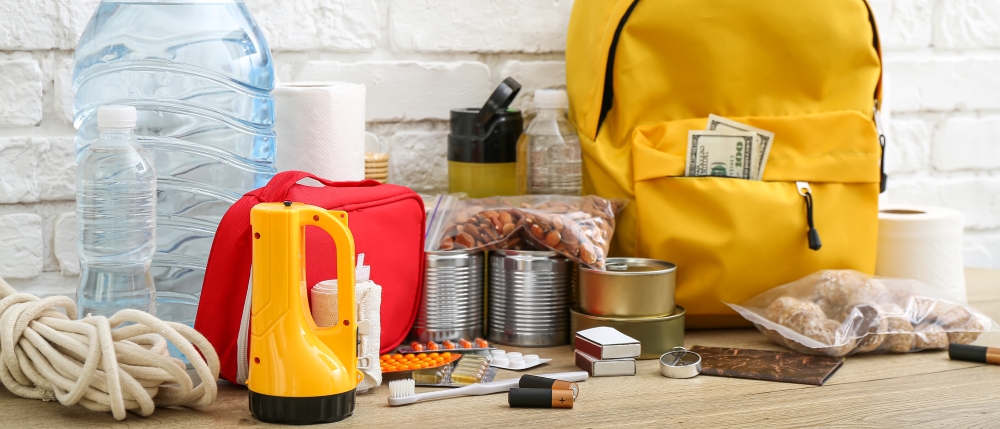
Once you’ve put together a complete emergency kit, make sure it’s stored somewhere that’s easily accessible and that everyone knows where to find it.
While some materials in your kit may not change or expire, it’s critical to update it every year.
Replace expired medications and supplies, update contact and medical info, and test any device with a battery.
Make note of any family health changes and update dosage charts as needed.
While the foundation of your emergency kit may not change from year to year, it’s important to make sure you’re freshly prepared at the start of every hurricane season.
Preparedness Is Peace of Mind

In an emergency, the last thing you want to be doing is trying to get organized.
Give yourself peace of mind by having everything prepared and ready.
Remember, hurricane season starts June 1, so now is the time to make sure you have your essentials at hand.
To make sure you’re prepared, check out the Suggested Hurricane Supply List from the United States Coast Guard.
Talk to your healthcare provider at Rosen Medical Center to make sure you have everything you need to stay healthy and ready for anything.
