
By Kate Cohen
In consultation with Dr. Ronald Ryan MD CPE
March 26, 2026
Taxes. Aging. Change. Stress.
They’re all inevitable parts of life, things every person will encounter in their time on earth.
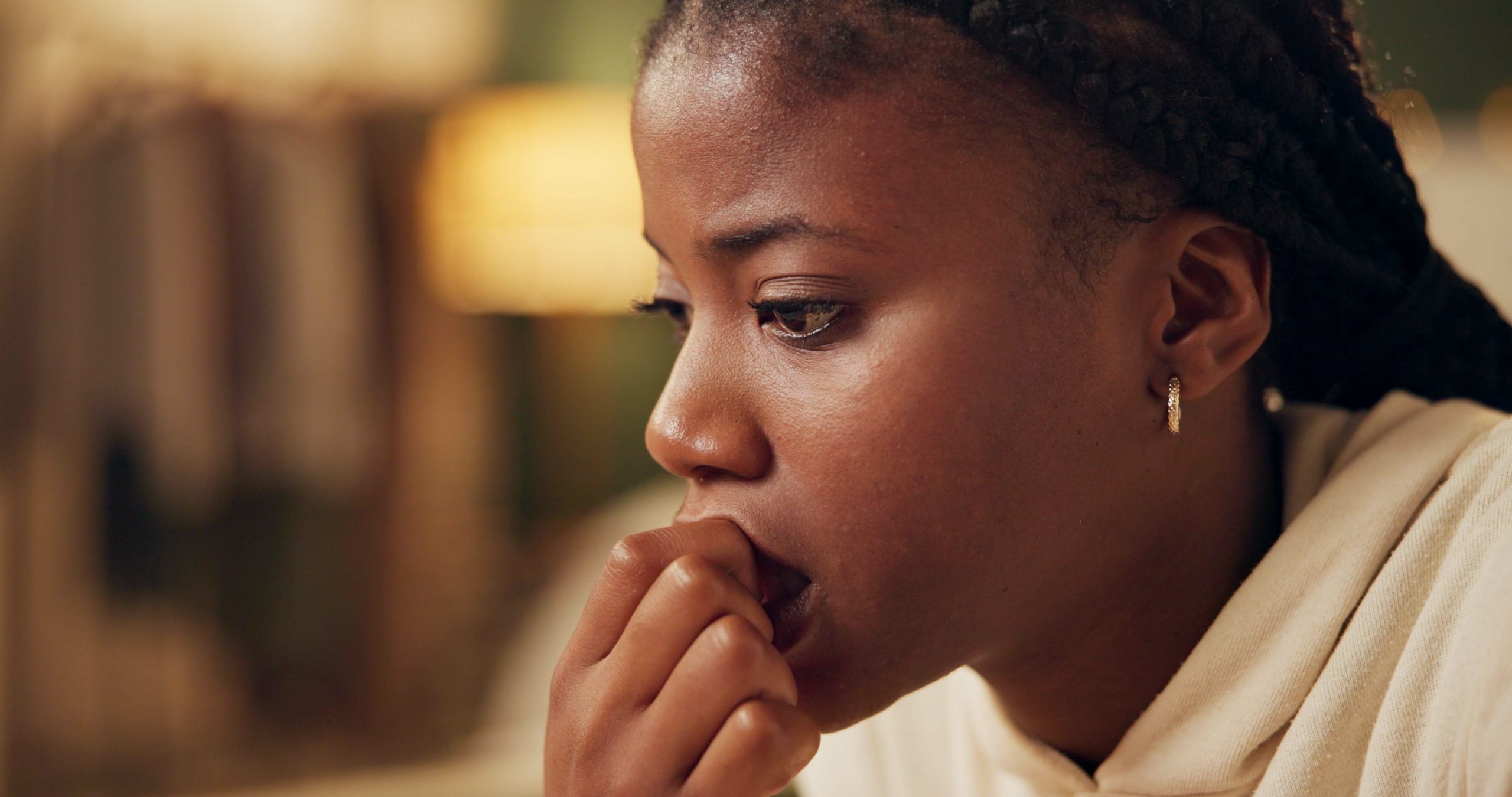
Stress is extremely common and can be caused by a variety of situations, environments, and events.
Luckily, there are things we can do to lower these levels, starting with small everyday decisions and lifestyle changes.
In honor of Stress Awareness Month, let’s look at what this pressure is, the importance of reducing it, and how to prevent it from negatively impacting your mental, physical, and emotional health.
Key Takeaways
- What is Stress?
- The Different Types of Stress
- How Stress Affects Your Life
- Practical Ways to Combat Stress
- Living a Stress-Resilient Lifestyle
- Rosen Medical Center: One Less Thing to Stress About
What is Stress?

Stress is the body’s biological response that helps us deal with a pressing situation.
If your body senses something challenging, demanding, or threatening, it reacts by releasing hormones like adrenaline and cortisol, also known as “stress hormones.”
Adrenaline is your body’s alarm system. It acts quickly as your “flight or fight” response, signaling to the brain that danger could be near.
Cortisol helps your body cope with ongoing pressure, releasing stored energy to keep you going and making sure your body doesn’t overreact over time.
Stress is meant to help you handle short-term challenges, whether it’s drastic like avoiding danger or common like meeting an upcoming deadline. In small amounts, it can even help you focus or give you a boost of energy.
When these pressures are ongoing, however, has negative impacts on physical, mental, and emotional health.
The Different Types of Stress
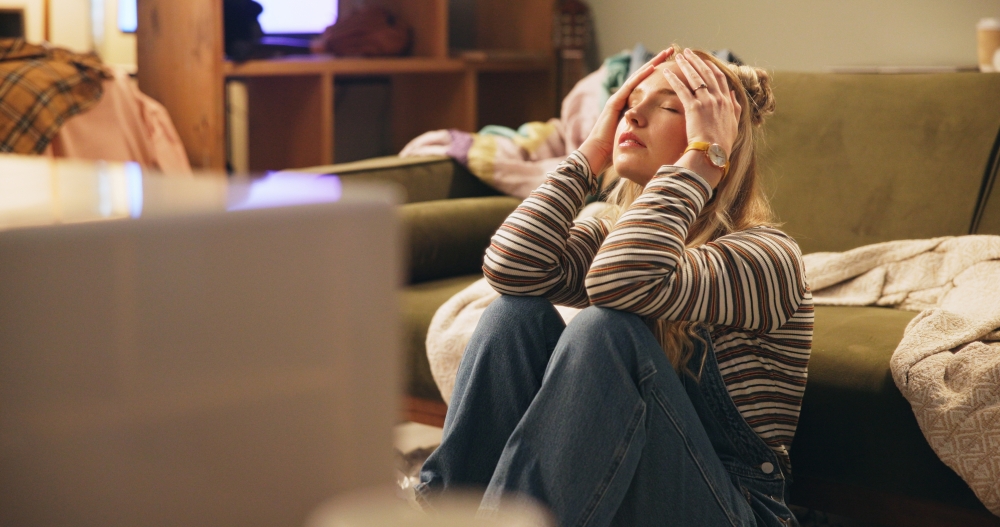
There are several different kinds of stress that affect the body.
Acute stress is immediate and short-lived. It usually comes from a specific event or situation, like a near accident or an argument.
It typically has a clear trigger and causes a fast body response that could include a racing heartbeat, an adrenaline surge, and heightened awareness. This type also often goes away quickly once the situation has passed.
Chronic stress, however, is long-term and can last for weeks, months, or even years. It’s a reaction to ongoing triggers like financial strain, relationship struggles, work challenges, or caregiving burdens.
Suffering chronically means the body has had high levels of cortisol for a long time. This can be harmful and lead to an increased risk of heart disease, anxiety, depression, and other health issues.
How Stress Affects Your Life
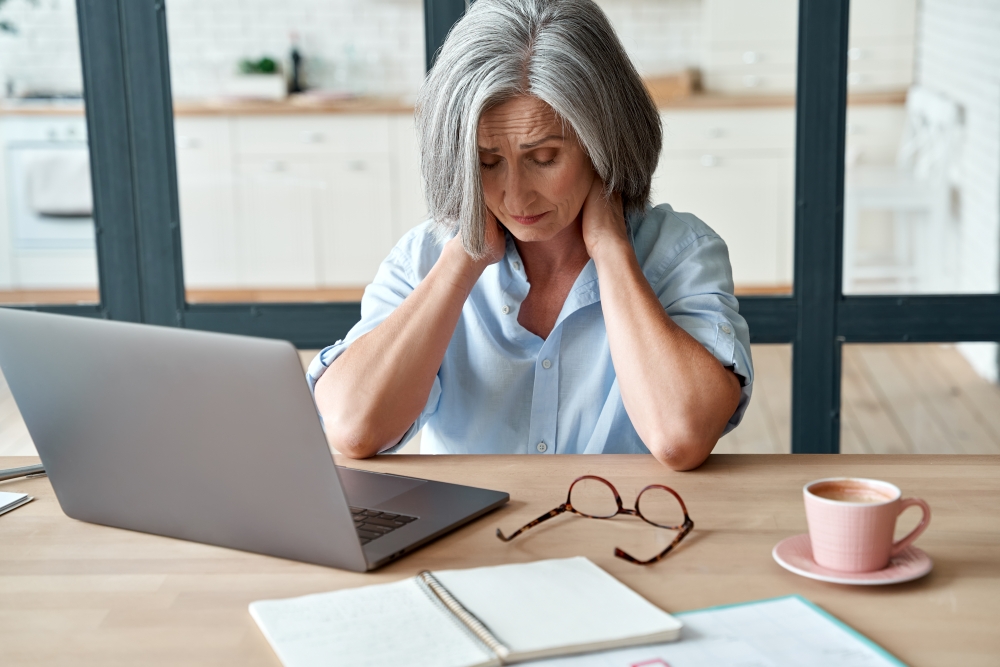
Physical Effects
High stress levels can have a huge negative impact on your physical health.
Chronic sufferers of stress often feel fatigued, suffer headaches, and experience muscle tension, causing chronic pain and discomfort.
It also impacts sleep. Stress makes it harder to fall and stay asleep, which disrupts rest that is critical to the body’s ability to function.
Living in this constant state can also weaken the immune system, meaning you could get sick more often and more intensely.
Mental and Emotional Effects
Chronic stress is very damaging to our mental and emotional health.
You may experience anxiety, irritability, and mood swings, all of which can also affect relationships with family and loved ones.
You may find you have difficulty concentrating and that your mind wanders to things that make you anxious. All of this may create a sense of being overwhelmed by or detached from things you normally love and enjoy.
Behavioral Effects
We’re never at our best when dealing with chronic stress.
You may find that you are overeating to cope, or that you’ve lost your appetite and are eating significantly less.
It can lead to burnout or cause you to procrastinate, which only leads to more stress down the line.
It can even cause you to turn to unhealthy coping mechanisms like caffeine, alcohol, or other controlled substances to try and alleviate unwelcome physical and mental side effects.
Impact on Relationships
It isn’t just you who struggles when dealing with chronic stress.
You may find yourself withdrawing from loved ones or creating more conflict with family and friends.
Tempers may flare up and communication suffers. Both professional and personal relationships could suffer.
Practical Ways to Combat Stress
You can defend yourself against stress on a daily basis. Here are some practical recommendations to try.
Mind-Body Techniques
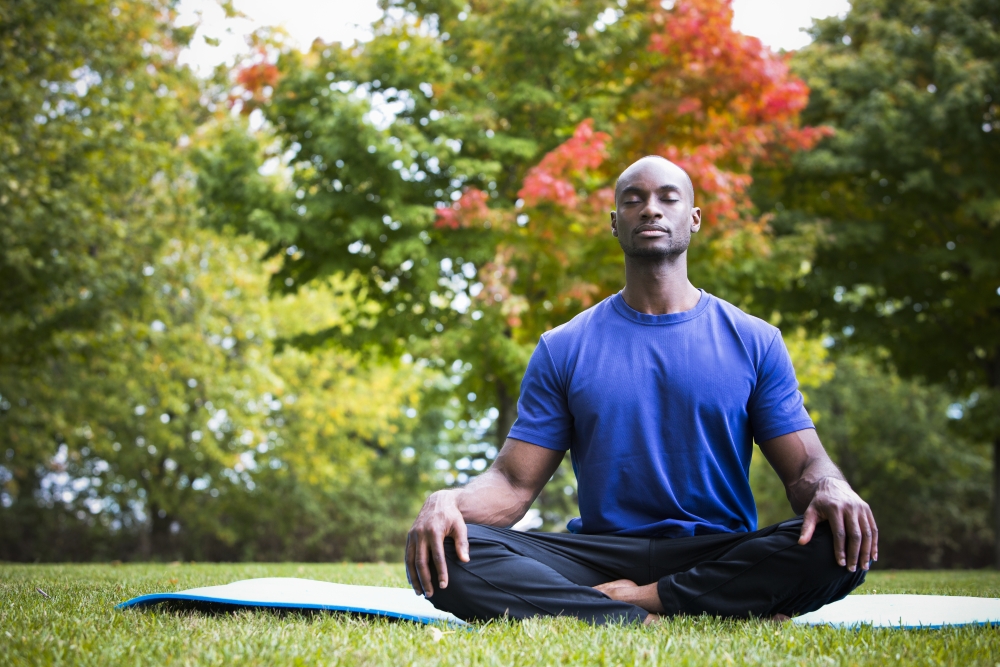
Our brains and bodies are always connected.
Strengthen their connection with practices like deep breathing. When you take slow, deep breaths, it activates the parasympathetic nervous system, which counteracts the body’s reactions to triggers.
Continued slow, steady breathing reduces the quick, shallow breathing that our brain associates with anxiety, signaling the brain to relax.
Mindfulness and grounding exercises can also help us focus and keep calm.
Gentle movement like walking, stretching, or yoga can also help the body and mind unwind.
Lifestyle Adjustments

A good defense starts with making healthy lifestyle choices.
Getting quality sleep is important. When we sleep, our cortisol levels fall, allowing the nervous system to relax and reach a calmer state. This leads to better sleep that is restorative and healing.
Consider external factors like work or the amount of time we spend in front of screens as triggers. Set healthy boundaries with work and technology.
If you find that social media and current events add to your stress, try deactivating your accounts, even if only temporarily. If late-night emails from your boss keep you up too late, remove your email account from your phone after you leave the office.
Decision fatigue is another sneaky way pressure gets added on to our lives, and its one many of us deal with every day. Deciding what to make for dinner, how to get in some physical activity, and even what to do while spending time with our children can have a negative cumulative effect.
Try to build routines that help reduce decision fatigue. Make a meal plan at the beginning of the week so you know ahead of time what to eat. Plan your workout schedule in advance.
Social Support

Talking to someone you love and trust can be a great way to alleviate stress.
Friends and family can offer emotional support and empathy, making you feel heard, valued, and ultimately, happier.
If you feel truly overwhelmed and know it’s affecting your day-to-day life, it may be time to seek professional help.
A licensed therapist can help you learn to navigate, cope with, and alleviate issues. Or ask people who care for you to help you find a path to peace.
Living a Stress-Resilient Lifestyle

Stress is inevitable in life.
Still, there are things you can do to make your lifestyle as resilient as possible.
First, focus on building sustainable habits that contribute to a healthy lifestyle.
For example, while exercise is a great tool, trying to include an hour of high-intensity workouts into your daily schedule may not be the best way to set yourself up for success.
By setting realistic goals and starting with smaller changes, you are more likely to stick with habits that will improve your overall health.
Another important step is prioritizing your joy and rest.
Invest your time and energy into doing things you enjoy, whether it’s spending time with family, getting active in your community, or starting a new hobby.
Life is always going to be busy, but it’s important to make time for yourself to rest. Overscheduling and working too hard only leads to burnout, which is never good.
Another important step is understanding what your personal triggers are. Is it your work? Finances? Personal conflicts? Daily hassles?
Knowing what stresses you out the most can help you find ways to take on these challenges in your everyday life.
Lastly, be sure to celebrate your small wins. Holding ourselves to high standards and expectations all the time only leads to disappointment and burnout.
Instead, find ways to acknowledge and reward even the smallest personal victories. When you know you’re succeeding, even on a small scale, you’ll feel better about yourself.
Rosen Medical Center: One Less Thing to Stress About

At Rosen Medical Center, we understand that stress can be, well, stressful.
That’s why our team of medical professionals is here to help you.
Talk to your medical provider about ways we can support you as you work toward a healthier lifestyle. Start by making one small change and then celebrate the fact that you took a first step to a more stress-free day.
