By Kate Cohen
In consultation with Dr. Ronald Ryan MD CPE
April 17, 2026
May is National High Blood Pressure Education Month.
High blood pressure is a condition that affects over 120 million people in the United States, nearly half of the country’s adult population.
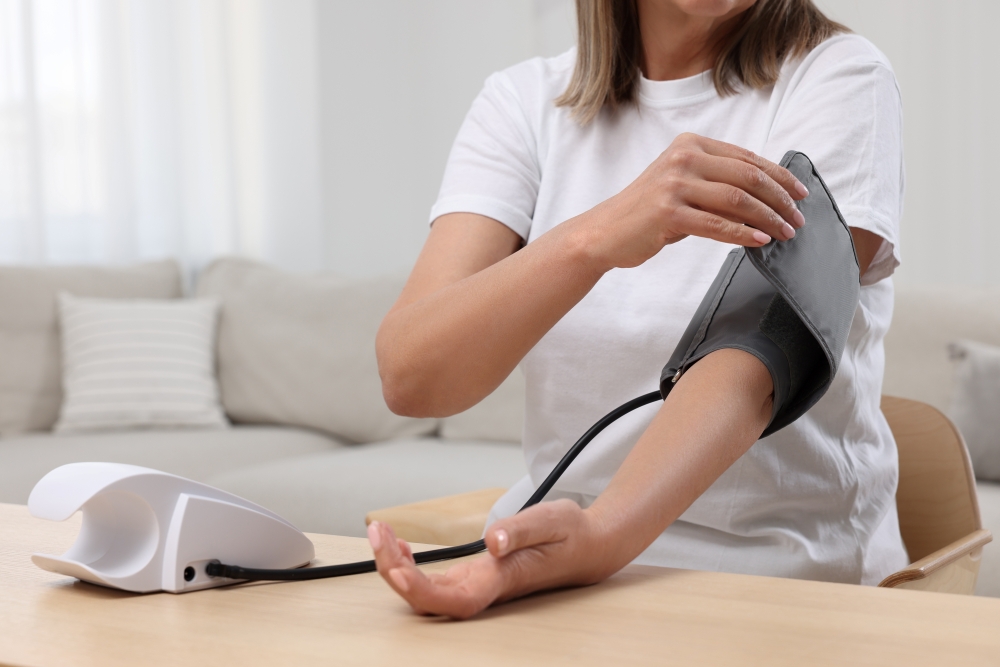
Blood pressure is the pressure with which your blood pushes against the walls of your arteries. It affects every organ because it reflects how hard your heart is working to circulate oxygen and nutrients.
Your blood pressure is measured by two numbers, one on top of the other.
The top number is your systolic blood pressure. It measures when your heart beats and pushes blood from the heart.
The bottom number is diastolic blood pressure, which measures the pressure when your heart relaxes between beats.
Normal blood pressure usually means your systolic number is below 120, and your diastolic number is below 80, often read as 120/80.
As numbers rise, you risk hypertension, often known as the “silent killer” because it has very few symptoms.
Hypertension can lead to health issues like heart disease, heart attacks, stroke, kidney damage, vision loss, and other serious medical conditions.
While chronic high blood pressure can often be managed with medication, you can help control your numbers by developing simple and consistent lifestyle habits on a daily basis.
Here are six healthy choices to help you manage your blood pressure.
Key Takeaways
- 1. Choose Heart-Healthy Foods
- 2. Stay Physically Active
- 3. Maintain a Healthy Weight
- 4. Limit Alcohol and Avoid Tobacco
- 5. Manage Stress in Healthy Ways
- 6. Prioritize Regular Checkups and Monitoring
1. Choose Heart‑Healthy Foods

Food is fuel for our body. What we eat turns into energy that keeps our systems clean and strong.
Heart-healthy foods like fruits, vegetables, whole grains, and lean proteins are all great options for your daily diet.
Fruits and veggies high in antioxidants help protect blood vessels from damage, Omega-3’s found in fatty fish like salmon help reduce inflammation, and high-fiber whole grains help lower cholesterol, which reduces strain on arteries.
Reducing processed foods high in sodium and added sugars is also key to maintaining a healthy blood pressure. Saturated and trans fats from fried foods can also stiffen arteries, causing your heart to work harder.
Your health provider at Rosen Medical Center can provide nutrition counseling to help you make healthier choices that can support a healthier lifestyle.
2. Stay Physically Active

One of the best habits you can develop for maintaining healthy blood pressure is physical activity.
Exercise strengthens the heart, and a stronger heart pumps more blood with less force (lower blood pressure).
Movement also helps with weight management, reduces stress hormones, and improves overall metabolic health, all of which can positively impact the function of your heart and cardiovascular system.
Don’t feel intimidated by the idea of including exercise into your daily routine. Even small increases in daily movement can help keep you healthy.
Moderate activities like walking, swimming, or cycling are great low-impact ways to get moving and help lower your blood pressure.
3. Maintain a Healthy Weight

Carrying extra weight isn’t just about how you look.
It’s been estimated that obesity accounts for 65 to 78% of cases of hypertension.
Being overweight can strain the heart and raise blood pressure because your heart has to pump harder to supply your organs and tissues with proper oxygen and nutrients.
It can also lead to insulin resistance, which affects the ability of blood vessels to dilate.
Making gradual and sustainable changes to your diet and incorporating physical activity into your day can not only help you lose weight but also lessen the strain on your heart.
4. Limit Alcohol and Avoid Tobacco
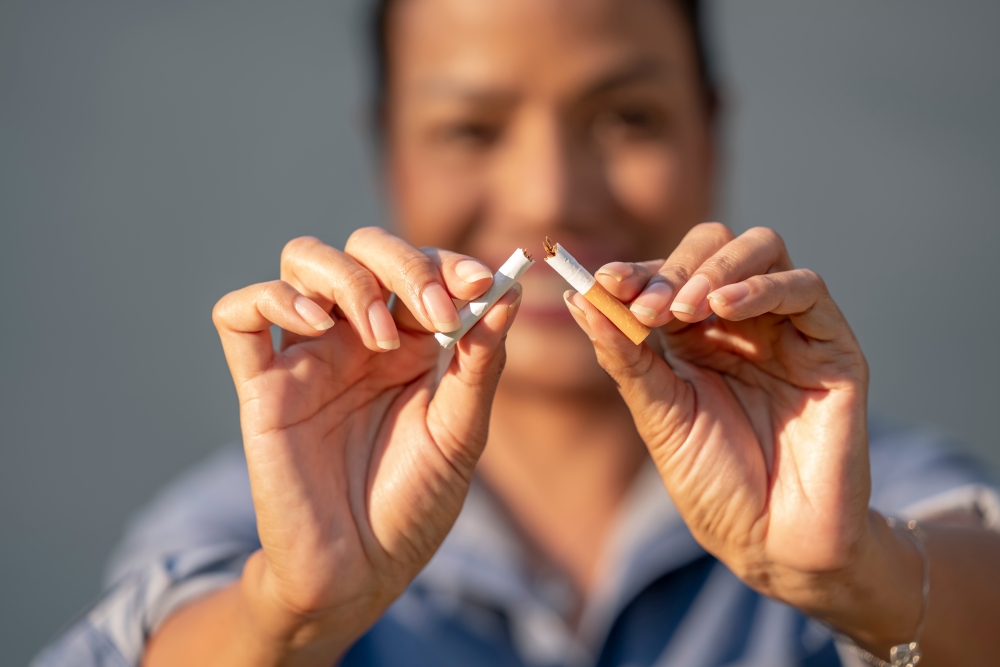
Alcohol and tobacco both activate stress-hormone systems, raising blood pressure by increasing heart rate, tightening blood vessels, and damaging arteries over time.
The nicotine found in cigarettes and vape pens tightens blood vessels, narrowing arteries and raising blood pressure every time you smoke.
Chemicals found in tobacco products can also damage artery walls, increase plaque buildup, and reduce the amount of oxygen delivered throughout your body. With less oxygen to spare, your heart works harder, therefore increasing your blood pressure.
Drinking alcohol can also lead to hypertension. It stimulates the sympathetic nervous system, also known as your “fight or flight” state, which raises your heart rate, tightens blood vessels, and makes your heart work harder.
Of course, too much alcohol can also lead to weight gain, which is a high risk for hypertension in and of itself.
The heart-related effects of quitting smoking are almost immediate, and when you stop drinking alcohol, you’ll see both short and long-term benefits relatively soon thereafter.
Within 20 minutes of quitting smoking, your blood pressure begins to drop toward normal levels, and after 24 hours, your risk of heart attack begins to fall.
When it comes to drinking, blood pressure can lower as soon as alcohol’s dehydrating and vessel-tightening effects wear off, and within one to three months, numbers often stabilize at a significantly lower level.
If you need help quitting smoking or drinking, reach out to Rosen Medical Center for support and resources.
5. Manage Stress in Healthy Ways

Stress is a part of life, but too much of it can have harmful effects on both the body and mind.
When you’re in a heightened or prolonged state of stress, your body releases two powerful stress hormones known as adrenaline and cortisol.
These hormones cause a faster heart rate and a narrowing of blood vessels, both of which can cause a rise in blood pressure.
When chronic stress lasts days, weeks, or even months, the rise in adrenaline and cortisol can contribute to hypertension.
Additionally, stress can often drive us to unhealthy coping behaviors like overeating, getting poor sleep, inactivity, and drinking alcohol, all of which we know can contribute to high blood pressure.
While we can’t always control external stressors, we can incorporate stress management techniques and habits into our daily routine.
Physical activity is a highly effective way to combat stress, as are deep breathing and mindfulness exercises.
Social activities, community engagement, and talk therapy are other great stress relievers that can lead to a healthier lifestyle and, ultimately, a healthier heart.
6. Prioritize Regular Checkups and Monitoring

At routine checkups, your healthcare provider will monitor your health with regular blood pressure screenings.
Since hypertension often doesn’t show symptoms, it’s important to regularly check in to make sure your readings are within a normal range.
As with most preventative screenings, catching high blood pressure early can help you and your provider come up with a plan to control your health.
At Rosen Medical Center, we firmly believe in the importance of preventative screening and healthcare. Let us help you prioritize your health.
Schedule a routine check-up with your healthcare provider to discuss how small and consistent lifestyle adjustments can improve your overall health and your blood pressure.
