By Kate Cohen
In consultation with Dr. Ronald Ryan MD CPE
April 17, 2026
May is American Stroke Month, an observance dedicated to raising awareness about preventing and treating strokes.

Strokes affect over 795,000 people in the United States every year and are the fourth leading cause of death in the country. They are also the leading cause of disability.
A stroke is a medical emergency that happens when blood flow to a part of the brain is blocked or a blood vessel bursts.
Without proper blood flow to the brain, permanent damage can occur.
Luckily, there are interventions to help when a stroke is caught early. Plus, knowing the risk factors, prevention strategies, and early warning signs can help manage your health.
Here’s a look at what you need to know to protect yourself from the potentially devastating effects of a stroke.
Key Takeaways
- 1. Understand Your Risk Factors
- 2. Make Heart-Healthy Lifestyle Choices
- 3. Know the Early Warning Signs of a Stroke
- 4. Stay Consistent with Medical Care and Screenings
- Prevention Starts with Awareness
1. Understand Your Risk Factors

There are a variety of factors that contribute to your chances of having a stroke.
Unfortunately, some are out of your control, meaning you cannot change them even with lifestyle adjustments or medical treatment.
For example, your risk of having a stroke increases as you age, more than doubling each decade after you turn 55, according to the American Stroke Association.
Family history and genetics also increase your risk. If you have a parent, sibling, or grandparent who has had a stroke, you’re more likely to, too.
Did you know that women are more likely to have a stroke than men? Pregnancy, preeclampsia, gestational diabetes, and hormone therapy are all added risks for women.
Black and some Hispanic individuals also have a higher risk of stroke, partly due to higher rates of hypertension.
Living in the Southeastern United States, Orlando included, could also be considered a “partially uncontrollable” stroke risk, due to extreme temperatures and seasonal changes. In fact, this area of the country has been not-so-affectionately referred to as the “Stroke Belt.”
Have a conversation with your healthcare provider to discuss your personal risk profile and what you can do to prevent having a stroke.
2. Make Heart‑Healthy Lifestyle Choices

While there are some stroke risk factors that you can’t control, there are plenty of things you can do to take prevention into your own hands.
Diet, exercise, and weight management are all important when it comes to leading a healthy lifestyle that lowers your risk for a stroke.
High blood pressure, or hypertension, is the number one risk of a stroke. Making heart-healthy choices can also help you manage your blood pressure.
Regular physical activity is critical for physical and mental health. Exercise helps strengthen the heart, improve circulation, builds and maintains muscle strength, and helps support weight loss and maintenance.
When it comes to diet, eating whole grains, lean proteins, and plenty of fruits and vegetables offers your body nutritious and natural energy.
Avoid eating food high in sodium and saturated fats which can increase blood pressure and add additional strain to your heart.
Nicotine and excessive alcohol intake can raise blood pressure and increase the risk of a stroke. Stay away from cigarettes, vape pens, and other tobacco products and limit alcohol consumption.
These choices can all contribute to a healthier lifestyle that lowers the risk of stroke, hypertension, obesity, and other dangerous health risks.
3. Know the Early Warning Signs of a Stroke
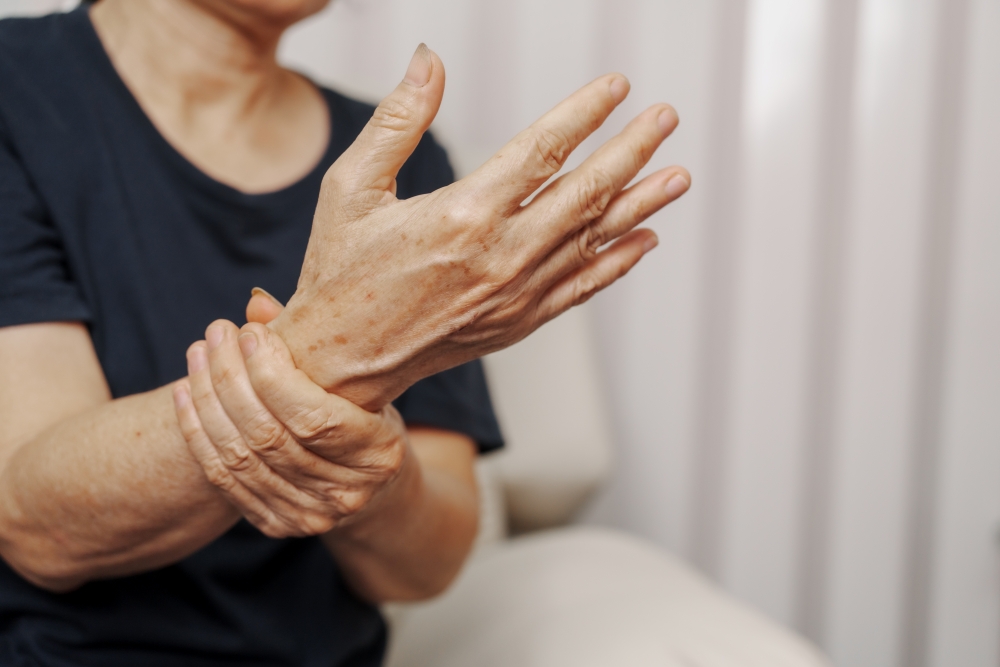
When it comes to detecting a stroke, every minute counts. Immediate medical attention can save brain function and lives.
That’s why it’s important to recognize the signs that someone may be having a stroke.
If you suspect someone is having a stroke, think F.A.S.T.
This acronym stands for:
- Face drooping
- Arm weakness
- Speech Difficulty
- Time to call 911
If someone is experiencing symptoms like face drooping, arm weakness, and difficulty speaking, call 911 immediately for emergency assistance.
Stroke symptoms may also include sudden severe headaches, vision changes, dizziness, confusion, and numbness.
Millions of brain cells die every minute during a stroke. Lifesaving treatments can be started quickly after diagnosis, but the risk of permanent damage and disability increases by the second.
Knowing what to look for in the event of a stroke can save a life, and it may just be your own.
4 . Stay Consistent with Medical Care and Screenings

Routine checkups are important to maintaining your health.
Rosen Medical Center offers comprehensive care, screenings, and personalized prevention plans to help you take your health into your own hands.
Managing chronic conditions like diabetes, atrial fibrillation, and high cholesterol can also help you assess your risk of having a stroke.
Your healthcare provider can help you explore ways you can maintain a healthy lifestyle. They’ll also recommend routine screenings and tests to keep an eye on your health stats.
Schedule your routine checkup to make sure you know exactly how to best care for your health.
Prevention Starts with Awareness

Stroke prevention is possible with informed choices and regular medical care.
By taking a proactive approach to your health, you can help reduce your risk of having a stroke.
Rosen Medical Center is here to support your long-term health and wellness. Schedule an appointment with your healthcare provider today to talk about what you can do to prioritize your health.
