
By Kate Cohen
In consultation with Dr. Ronald Ryan, MD CPE
February 4, 2026
March is National Nutrition Month, and the time is ripe to talk about the importance of eating a healthy balanced diet.
The food we eat becomes fuel for our bodies, providing important vitamins, minerals, and nutrients. The better the fuel we give our bodies, the better it will run.
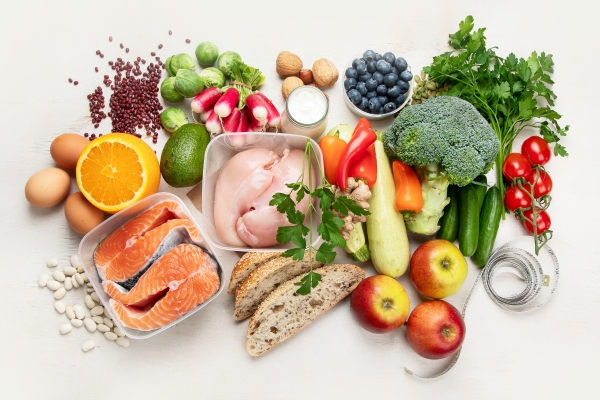
Rosen Medical Center is committed to helping our patients make healthy lifestyle choices which include eating well.
Making good choices about what we eat doesn’t mean cutting out “cheat” foods you love. It means focusing on healthy foods and eating sweets, hamburgers, or fried food in moderation. It means finding a balance of what your body really needs versus what you crave.
Here’s a look at why a balanced diet is important, and some tips and tricks you can use to make better choices in the kitchen.
Key Takeaways
- What Does “Balanced Diet” Really Mean?
- Why Does Balanced Nutrition Matter?
- Debunking Common Nutrition Myths
- Start Small with Simple Steps
- Rosen Medical Center is Here to Help
What Does “Balanced Diet” Really Mean?

We all know it’s important to eat a balanced diet, but what does that phrase actually mean?
It means you’re eating plenty of foods full of important nutrients, including fruits and vegetables, whole grains, lean proteins, and healthy fats.
When you eat a variety of foods, your body gets different nutrients to keep you healthy and strong.
Drinking water is another important part of a balanced diet. Staying hydrated is key to helping your body function at its best.
Eating a balanced diet doesn’t mean you can’t ever treat yourself to something sugary or fried, either. It just means you should enjoy them sparingly and focus on eating heathier foods most of the time.
Why Does Balanced Nutrition Matter?
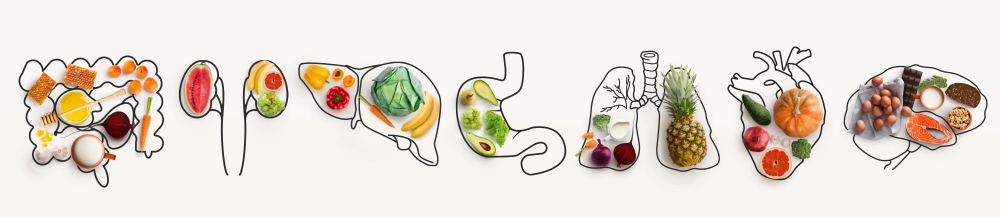
When you eat a balanced diet, you’re supporting your body in various ways.
Fruits and vegetables are packed with vitamins, minerals, dietary fiber, and antioxidants. These support a healthy immune system and can help prevent chronic disease.
They’re also naturally low in calories, making them great options for weight management.
Omega-3s and B-vitamins help support brain health, mood, and concentration, and can be found in foods like fatty fish, nuts, and oils.
Complex, fiber-rich carbohydrates provide lasting energy while managing blood sugar levels and improving gut health. Sources of these “good” carbohydrates include whole grains, beans, lentils, and starchy vegetables.
Protein drives metabolism, builds and repairs muscle, and helps transport oxygen and nutrients throughout the body.
Of course, there are some nutrients that should be eaten in moderation.
Too much sugar, trans and saturated fats, and salt can lead to issues like high blood pressure, weight gain, high cholesterol, and heart disease.
Eating a balanced diet ensures your body runs smoothly and stays as healthy as possible.
Debunking Common Nutrition Myths
Diet culture has spread confusion about healthy nutrition with trendy diets and expensive supplements.
Let’s look at some common nutrition myths and why they aren’t true.
Carbs are Bad
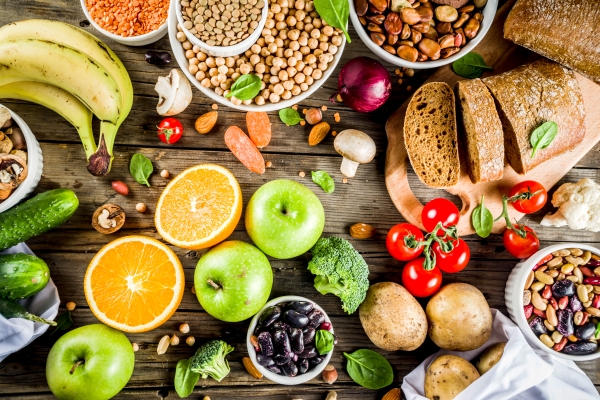
The body needs carbohydrates to convert into energy. But not all carbohydrates are created equally.
Complex carbohydrates are found in foods like oats, brown rice, fruits and vegetables, and whole grain bread and pasta.
These kinds of carbs are better because they digest slowly, stabilize blood sugar, contain more fiber, and keep you full longer.
Refined and highly processed carbs found in sugary drinks, candy, white bread, chips, and other processed snacks offer fewer nutritional benefits.
These “bad” carbs spike blood sugar, offer little nutritional value, and don’t keep you full for very long.
At the end of the day, you shouldn’t be afraid of carbs. Bulk up your diet with complex carbs and save the simple ones for treats.
Healthy Eating is Too Expensive
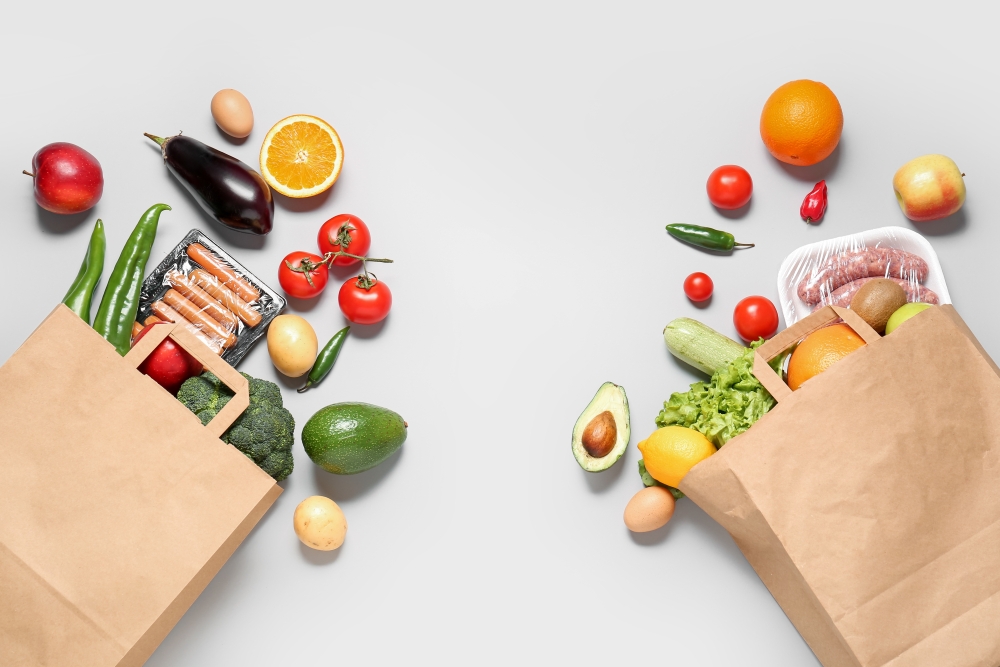
The price of produce and other healthy foods may seem expensive, but it’s easier than you think to eat healthy on a budget.
Some of the healthiest foods are the most affordable, including beans, lentils, rice, potatoes, oats, and bananas. These foods are nutrient-dense, filling, and relatively inexpensive.
Frozen fruits and vegetables are flash frozen at the peak of ripeness, capturing flavor and nutrients. Plus, they last longer than the fresh produce in your refrigerator, saving money and food waste.
It may seem cheaper to buy processed snacks and fast food, but they are often made with ingredients that don’t leave you full with one or two suggested servings or offer good nutrients. When you aren’t satisfied, you’re more likely to overeat, wasting money and calories.
One of the best ways to make eating healthy more affordable is to create a meal plan. Make a list of healthy meals to cook at home and go grocery shopping with a list. Simple planning is a great way to prioritize eating healthy foods without letting them go bad in your fridge.
You Need Supplements to Be Healthy

The health industry is a multi-trillion-dollar sector. For decades, it’s made money selling products advertised to improve health, at a price.
When you eat a balanced diet, there’s no need for supplements. You’ll be getting the nutrients you need from the food you eat.
Supplements can be useful in certain situations, but they’re often not needed and can end up costing money better that’s spent on buying healthy food.
Start Small with Simple Steps
If you’re overwhelmed by the idea of starting to eat a more balanced diet, we have a few small, simple steps that will help start building healthy habits.
You can try:
- Swapping one sugary drink per day for an extra glass of water
- Add a piece of fruit to your breakfast
- Try one new fruit or vegetable each week to keep things interesting
- Keep healthy snacks at eye-level in your pantry or in the front of your fridge so they’re visible and easy to grab
- Swap a heavy sauce for seasoning with herbs, spices, and garlic
- Eat slowly and without distractions (like your cell phone); take note of when you’re satisfied
Just remember, small changes can lead to the bigger goal of eating more healthy foods.
Rosen Medical Center is Here to Help

Eating a balanced diet is the first step to a healthier lifestyle.
Before starting any diet or making drastic changes, it is good practice to discuss these changes and overall health goals with your physician. Sometimes issues, like prediabetes or specific digestive issues may require a more personalized approach, which we’re happy to assist with.
Even if you just need support getting started, the team at Rosen Medical Center is here and happy to help.
Fueling your body with good food and proper nutrients is one of the best ways to take care of yourself. You deserve to feel your best, so take the first step to a healthier you this month.
