
By Kate Cohen
In consultation with Dr. Ronald Ryan, MD CPE
November 25, 2026
Prediabetes often develops without obvious conditions or symptoms.
Of the estimated 115.2 million American adults that have prediabetes, 8 in 10 adults with prediabetes don’t even know they have it.

When undetected and untreated, prediabetes can progress to Type 2 diabetes, a more serious diagnosis that can lead to damaging and potentially life-threatening health complications.
Luckily, prediabetes is reversible in many cases, especially when it’s caught early.
Understanding the warning signs and your risk factors can help you prevent Type 2 diabetes while managing your blood sugar and maintaining a healthy lifestyle.
Here’s what you need to know about prediabetes.
Key Takeaways
- What is Prediabetes?
- Risk Factors That Increase Your Chances of Prediabetes
- How Prediabetes is Diagnosed
- Can Prediabetes Be Reversed?
- When to Talk to a Healthcare Provider
- When Prediabetes is Left Untreated
- Talk to Your RMC Healthcare Provider About Your Risk for Prediabetes
What Is Prediabetes?
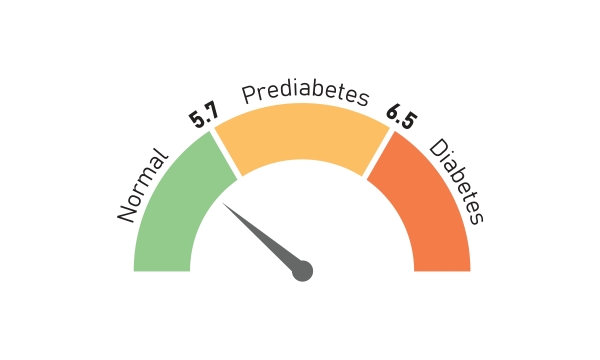
Prediabetes means blood sugar (glucose) levels are higher than normal but not yet high enough to meet the diagnostic range for Type 2 diabetes.
After you eat, your body breaks food down into glucose, or sugar, which enters the bloodstream. In response, the pancreas releases insulin. This hormone helps glucose move from the blood into cells where it can be used as energy.
Insulin resistance develops when cells in your muscles, fat, and liver respond less effectively to insulin. Glucose doesn’t move into these cells as efficiently, so blood sugar levels can rise.
Your pancreas then works overtime to produce more insulin to force glucose into the cells.
Prediabetes and diabetes are measured by A1C test results that measure how much glucose is in the bloodstream.
If A1C results are between 5.7% to 6.4%, a person is considered prediabetic. When A1C numbers reach 6.5%, Type 2 diabetes is diagnosed.
Risk Factors That Increase Your Chances of Prediabetes

While diabetes can affect a broad population of people, there are certain risk factors of prediabetes and Type 2 diabetes that increase your chances of a diagnosis.
Family History: Having a parent or sibling with Type 2 diabetes can increase your risk of being diagnosed with it, too. Some inherited genetic traits directly affect how your body makes and uses insulin.
Excess Weight: Fat tissue, particularly around the abdomen, releases extra free fatty acids that can keep insulin from doing its job. This can create high levels of insulin resistance, making it harder to move glucose from the bloodstream.
Physical Inactivity: When you exercise, it forces your muscles to pull glucose directly from the bloodstream to use as immediate fuel, even without relying on insulin. When you are inactive, your muscles lose this natural ability, causing glucose to stay trapped in the bloodstream longer and putting strain on the pancreas.
Age: The risk for prediabetes climbs significantly as you age, with a pretty big increase around age 45. Natural aging often results in a slow decrease in muscle mass, an increase in abdominal fat, and a decline in pancreatic function, making it harder for the body to manage blood sugar spikes.
History of Gestational Diabetes: Developing diabetes during pregnancy means that the physical stressors of being pregnant keep the pancreas from making enough insulin. Even if blood sugar levels return to normal after giving birth, you can still be genetically prone to insulin resistance.
There are certain health issues that, while they don’t specifically lead to prediabetes, often occur alongside it. Some of these conditions include high blood pressure, high cholesterol, and specific medical conditions including polycystic ovary, syndrome (PCOS), Nonalcoholic Fatty Liver Disease (NAFLD/MASLD), and sleep apnea.
How Prediabetes is Diagnosed

Prediabetes is diagnosed with specific blood tests that are often done as routine preventative care.
There are three blood tests that can be used to confirm a diagnosis.
- The A1C (glycated hemoglobin) test measures the average blood sugar over the past two to three months, without fasting.
- The Fasting Plasma Glucose (FPG) test measures blood sugar after an overnight fast of at least eight hours.
- An oral glucose tolerance test measures blood sugar two hours after fasting overnight and then drinking an intensely sugary liquid.
Your healthcare provider can explain what your results mean and whether another test is needed.
Can Prediabetes Be Reversed?
The good news is that prediabetes doesn’t have to become Type 2 diabetes.
There are a handful of small, consistent lifestyle changes that can help manage blood sugar levels and maybe even reverse a prediabetes diagnosis.
Some of the lifestyle changes that can help include:
- Maintaining a healthy weight.
- Increasing physical activity.
- Eating more vegetables, fruits, whole grains, and lean proteins.
- Reducing sugary beverages and processed foods.
- Managing stress.
- Prioritizing quality sleep.
These changes can make a big difference when it comes to managing a prediabetes diagnosis.
When to Talk to a Healthcare Provider

Prediabetes may not have noticeable symptoms, but there are several reasons you may want to speak to your healthcare provider about the condition.
If you’re experiencing any of the symptoms mentioned above, schedule an appointment to discuss it with your doctor.
If you know you have multiple risk factors for prediabetes, it’s well worth having a conversation about preventative care and health management.
If you haven’t had recent bloodwork, talk to your doctor about routine preventative tests that can help you stay informed about your health.
Of course, if you have any concerns about prediabetes whatsoever, your healthcare provider is available to answer questions, provide resources, and help you take control of your health.
When Prediabetes is Left Untreated
A prediabetes diagnosis is a wake-up call to take better care of your body.
While the disease can be reversed, if left untreated, it can progress to Type 2 diabetes. This diagnosis can lead to more severe complications and health issues.
Uncontrolled diabetes can lead to serious health complications, including heart disease, kidney disease, nerve damage, and vision problems.
Prediabetes may frequently go undetected, but there are certain warning signs of Type 2 diabetes to be on the lookout for.
These warning signs include:
- Frequent urination
- Increased thirst
- Fatigue and low energy
- Increased hunger
- Blurred vision
- Darkened skin patches (Acanthosis Nigricans)
- Slow-healing cuts and wounds
If you notice any of these symptoms, it’s best to talk to your healthcare provider, especially if you’ve already been diagnosed with prediabetes.
Talk to Your RMC Healthcare Provider about Your Risk for Prediabetes
Prediabetes is a quiet condition, but one that shouldn’t be ignored.
Early detection can help prevent serious health complications. Be proactive about your health with preventative screenings and regular checkups so you can manage any issues with an early diagnosis.
The healthcare providers at Rosen Medical Center can help you understand your health, assess your risk factors, and create a personalized plan to support your long-term wellness.
Schedule your next preventative health visit today.
