
By Kate Cohen
In consultation with Dr. Ronald Ryan, MD CPE
February 4, 2026
Flu season is upon us.
While the peak of viral sicknesses is often between the months of December and February, influenza, or the “flu,” runs wild from October through May.
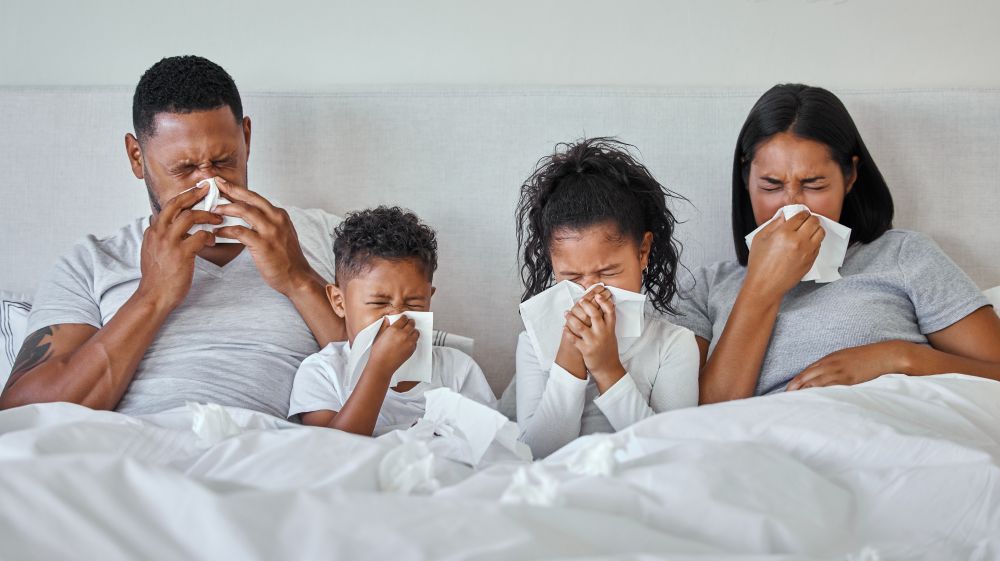
This winter has been one of the most brutal in terms of the flu. Over 19 million Americans have had confirmed cases, and over 10,000 have died from the viral disease.
One of the reasons it’s been such a rough year for the flu is how quickly the virus spreads, making prevention most important.
Here’s a look at what you need to know about the flu, and how you can help prevent you and your loved ones from getting sick.
Key Takeaways
- Recognizing Flu Symptoms Early
- The Power of Prevention
- How to Treat the Flu
- When to Seek Medical Attention
- Fight the Flu with the Help of Rosen Medical Center this Season
Recognizing Flu Symptoms Early

Flu symptoms can take a toll on the body.
Fatigue, fever, cough, sore throat, and body aches are all side effects of having the flu.
Sometimes, the flu may seem similar to having a cold, but there are several key differences. Flu symptoms tend to be more intense than cold symptoms. While the flu often comes with fever and body aches, a cold is more likely to come with sneezing and congestion.
Early detection of the flu is important to slow the spread of it throughout your community. If you know you have the flu, stay home and away from others so they don’t get sick, too.
The Power of Prevention

Get Vaccinated
The best thing you can do to protect yourself against the flu is to get your annual flu shot.
The flu shot can help prevent you from getting the flu but it is not 100-percent guaranteed to stop the transmission of the flu.
If you’ve had your flu shot and you still get sick with the flu, the vaccine has been shown to lower the intensity of the disease.
Almost everyone can benefit from getting an annual flu shot. It is highly recommended for children, older adults, pregnant women, and people with chronic conditions.
There are still plenty of myths and misconceptions about getting a flu shot. If you have questions or concerns, talk to your healthcare provider at Rosen Medical Center.
Didn’t get your flu shot this year? It’s not too late! Protect yourself against this year’s flu strains and get your flu shot as soon as possible.
Practice Everyday Hygiene
There are several things you can do on an everyday basis to help lower your chances of getting the flu.
Wash your hands often and use proper techniques. (Yes, there is a right way to wash your hands!)
Cover your mouth when you cough or sneeze, ideally with a tissue that can be thrown away.
Avoid touching your face when possible. Our hands encounter millions of germs every day. Touching your face brings them to your mouth, nose, and eyes, where they can spread to your immune system.
Keep Your Environment Clean
Stop the spread of germs by keeping your living and workspaces clean.
Did you know that flu viruses can live on surfaces for up to 48 hours?
Cleaning high-touch surfaces like doorknobs, phones, light switches, and faucets with disinfectant sprays or wipes daily reduces the spread of flu viruses, as well as other germs.
Since flu is a respiratory virus that spreads in the air you breathe, keep airflow moving by opening doors and windows, using a high-efficiency air purifier, or moving social activities and gatherings outdoors.
Strengthen Your Immune System with Healthy Habits
Give your body the best fighting chance to avoid getting sick by taking care of yourself with healthy habits.
Make sure you’re getting proper nutrients from eating a healthy diet and staying hydrated.
Prioritize getting good sleep. A rested body is important for staying healthy.
Try to manage your stress levels. Too much stress can lead to worsening health problems, which weakens your immune system.
Keep your body moving. Incorporating moderate physical activity into your lifestyle can keep your body in fighting shape.
How to Treat the Flu

Once you have the flu, there’s no magic cure to get it to go away.
When detected early, often one to two days after flu symptoms begin, your medical provider may prescribe you an antiviral drug that can lessen your symptoms and shorten the time you are sick.
These drugs are only available with a prescription meaning they can’t be purchased over the counter.
If you have the flu, the best thing you can do to get better is rest. Stay home and get comfortable so your body can focus its energy on healing and fighting the virus.
Staying hydrated is also key to recovery. Make sure you’re drinking plenty of water, herbal teas, clear broths, and electrolyte drinks to keep fluids in your body.
Help lower fevers and ease aches with pain relievers like acetaminophen (Tylenol) or ibuprofen (Advil or Motrin).
Stop the spread of the flu by staying home from work or school and wearing a mask around others, especially anyone who may be at higher risk if they get sick. You should stay home until you’ve no longer had a fever for at least 24 hours and you haven’t taken fever-reducing medication.
When to Seek Medical Attention

Most of the time, the flu will resolve on its own with proper rest and self-care.
However, it can also lead to serious complications that need quick medical attention.
Serious side effects that require immediate medical attention include:
- Difficulty breathing or shortness of breath
- Chest pain
- Ongoing dizziness
- Seizures
- Worsening of existing medical conditions
In addition to the symptoms listed above, children may also have emergency symptoms such as:
- Fast breathing
- Gray or blue lips or nail beds
- No tears when crying and not needing to urinate
- Symptoms like a fever or cough that get better but come back or get worse
Certain individuals are at a higher risk of getting serious flu or flu-related complications, including little ones age 12 months or younger, adults over the age of 65, pregnant women, and anyone with a weakened immune system or chronic illness.
If you or someone you love experiences any of these serious symptoms of the flu, it’s very important that you check in with your healthcare professional and seek medical attention.
Fight the Flu with the Help of Rosen Medical Center this Season

The 2025/2026 flu season isn’t over yet.
It’s not too late to get your flu shot and practice good hygiene to protect yourself from getting sick.
If you do end up sick at home with the flu, Rosen Medical Center is here to help.
You deserve to feel healthy. Contact us to schedule an appointment with your medical provider today.
